
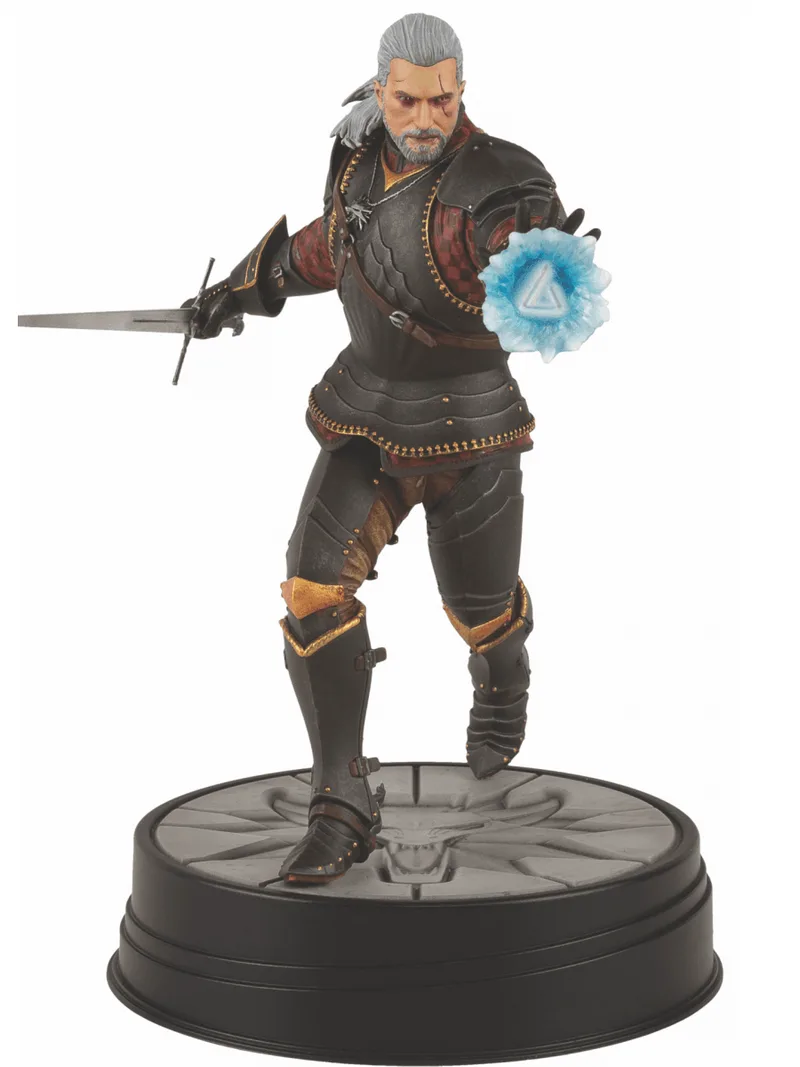
The Witcher 3: Wild Hunt came out in May 2015 from Polish studio CD Projekt RED and ten years later it is still one of the games I keep coming back to. This witcher 3 review (Witcher 3 review) is based on more than 500 hours on PC, plus my first two playthroughs years ago on PS4, five runs in total and two New Game+ games. The verdict is clear: it is still worth playing, even when the main story could be longer and after party quests you barely do anything with those characters.
Game info
The Witcher 3 is a third-person action RPG. You play as Geralt of Rivia, hunt monsters, and search for Ciri before the Wild Hunt gets her.
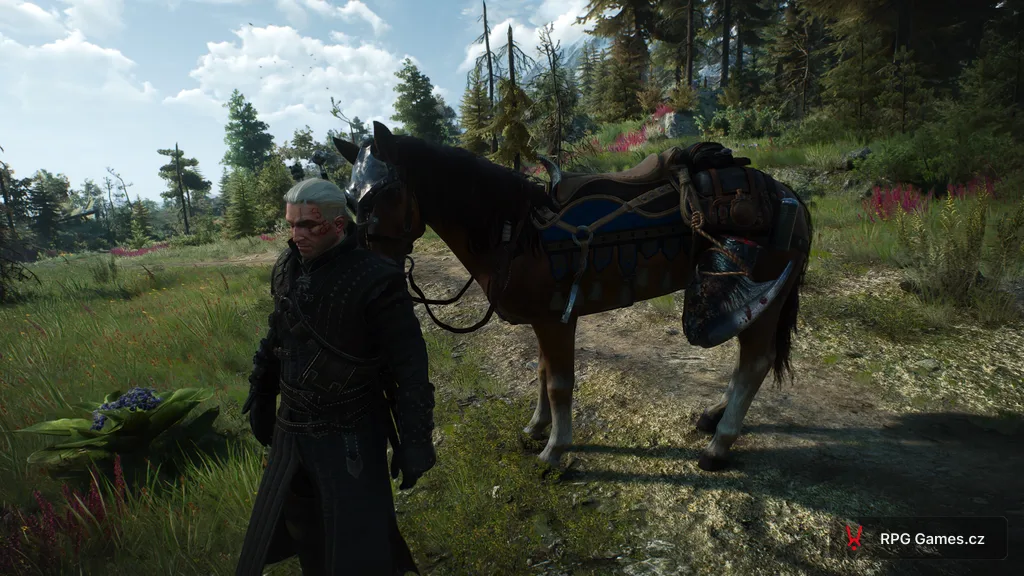
The world is split into large locations. You play in Velen, Novigrad, Skellige, and later in Toussaint. You travel on your horse Roach or by ship. You pick up quests from the journal, from NPCs, and from hidden encounters that never show up in the journal at all.
The game launched on PC, PlayStation, Xbox, and Nintendo Switch. Today you most often buy it as the Complete Edition with both expansions and the next-gen patch. The main story takes around 50 hours, and with side tasks, gwent, and the map you commonly hit 100 to 150 hours, with everything easily past 200.
What the game offers
The biggest draw is a story with choices that change endings, character fates, and whether Ciri survives. Side quests often beat the main quest arrow. The Ladies of the Wood, the Bloody Baron, romances, and political branches in Novigrad are among the strongest content.
The second strong side is combat and builds. Swords, signs, oils, alchemy. You can go pure swords, signs, alchemy, or a mix. On top of that there is gwent, which still grabs me after hundreds of hours.
Do not expect the newest controls or a party system where companions follow you across the map all the time. The Witcher is a solo action RPG with dialogue, an open world, and choices where there is often no single right answer.
My experience
On Steam I have over 500 hours on PC and I was surprised myself how that number grew. When the game launched I bought it the same day and played on PS4, and I also finished it twice there. Now I play the Complete Edition on a gaming laptop with an RTX 4070. On the built-in display the game runs smoothly at around 144 FPS, on an external 49″ ultrawide (5120×1440) on a high preset it is closer to 50 FPS, not on full ultra. I always play Death March, always with subtitles on.
Some playthroughs I rushed at the start, mainly the story line, and then wondered why I could not handle a boss, but back then you mainly wanted to see how it ends. Twice I managed to finish the game with every side quest and by clearing every question mark, treasure, and village on the map, so I know the Witcher world pretty well. On PC I eventually started using two practical mods, travel from anywhere and unlimited carry weight, because cleaning up Skellige and turning back after a few chests because your inventory was full was honestly awful. The Witcher is not one game among many for me, I grew up on the books and the first two games, so the third part continues a whole life with Geralt.
Story
You start in White Orchard. Geralt and Vesemir look for Yennefer, and after the griffin hunt the sorceress leads you to Emperor Emhyr, who orders you to find Ciri. Ciri is Emhyr’s daughter and also Geralt’s child of destiny. She has Elder Blood, so she can travel through space and time, and that is why the Wild Hunt pursues her.
The main story sends you after her trail into three regions: war-torn Velen, free Novigrad, and the Skellige isles. A more detailed overview without the finale is in the article what the story is about.
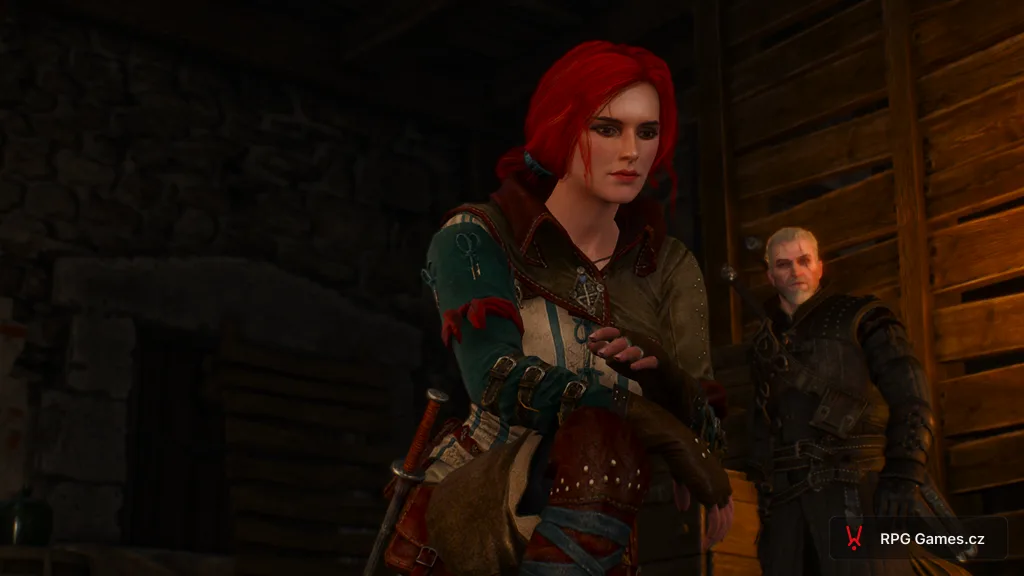
The story mixes the search for Ciri with Northern politics and personal arcs for characters from the books and the first two games. The tone is dark and the world feels serious. On the road you deal with war, swamps, city politics, and the Skellige isles. Big decisions have consequences in the epilogue. Choices during the game change how Ciri’s fate and other characters turn out.
Who we fight
The Northern Kingdoms live in war with Nilfgaard. Above that stands a greater threat: the Wild Hunt, riders from another world who hunt Ciri. The Hunt wants her Elder Blood. With that power they can open paths between worlds and save their own civilization from the White Frost, a magical force that turns worlds into a dead icy wasteland.
Geralt treats Ciri as his own daughter. That is why it is not just an imperial order. You must find her before the Hunt does and stand between her and riders who do not look for compromise.
The goal of the game is clear. Connect clues from Velen, Novigrad, and Skellige, reach Ciri, and stop the Hunt before the White Frost and the riders decide her fate.
Choices, endings, and consequences
Decisions in quests change who you meet later, how the war in the North ends, and how the epilogue plays out. For Ciri the game offers several finale branches. Depending on how you treat her in key moments, her path can end differently. Details without spoilers on how to play are in the endings guide.
Politics in Novigrad and Skellige carry their own weight. Who sits on the throne and who wins the war depends on quest branches you open during the search or leave alone. Romantic arcs with Triss and Yennefer exclude each other. Only one can be active. You have an overview in the all romances guide and step by step in the Triss romance walkthrough.
The epilogue after you finish sums up the fates of regions and characters. A second playthrough therefore makes sense even without new content. The game really reacts to your answers.
Character
You play as Geralt of Rivia. He is a witcher of the Wolf School. Mutations give him the strength, reflexes, and toughness you need for monster hunting. White hair, yellow eyes, and a medallion that trembles when a monster is near. The world knows him as the White Wolf.
He is not a classic hero who saves the world from pure goodwill. He takes pay for contracts and tries to stay neutral. When Ciri or people he cares about are involved, neutrality goes out the window. You pick dialogue. The character tone stays the same: fewer words, more action, and occasional dry sarcasm in subtitles. The same Geralt as in Sapkowski’s books and the first two games.
You spread abilities across swords, signs, alchemy, and mutations. You can go pure swords, signs, alchemy, or a mix. You tune combat style. Who Geralt is and how he talks stays consistent.
Friends and companions
In the third game Geralt meets people you know from earlier games and from Sapkowski’s books. If you know the series or the books they hit harder. If you do not, they still have their own character and work on their own in the game.
The closest are Ciri, Triss Merigold, Yennefer, and Zoltan. Ciri is the child of destiny and the center of the whole search. Triss and Yennefer pull magical and personal threads around Geralt. Zoltan carries old friendship from the road and the books. More profiles are in the character overview.
You meet them in different places around the world. Once in Velen, another time in Novigrad, on Skellige, or later in Toussaint. Each friend usually has their own arc or a specific quest. That quest pulls them into the plot, so you meet Geralt again around a concrete mission and their story really crosses the main line.
Game systems
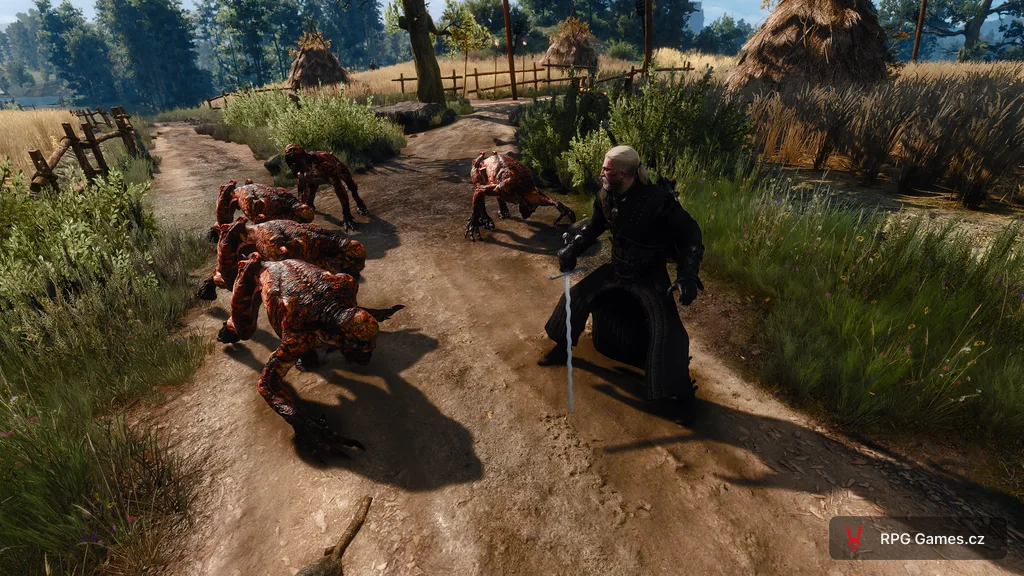
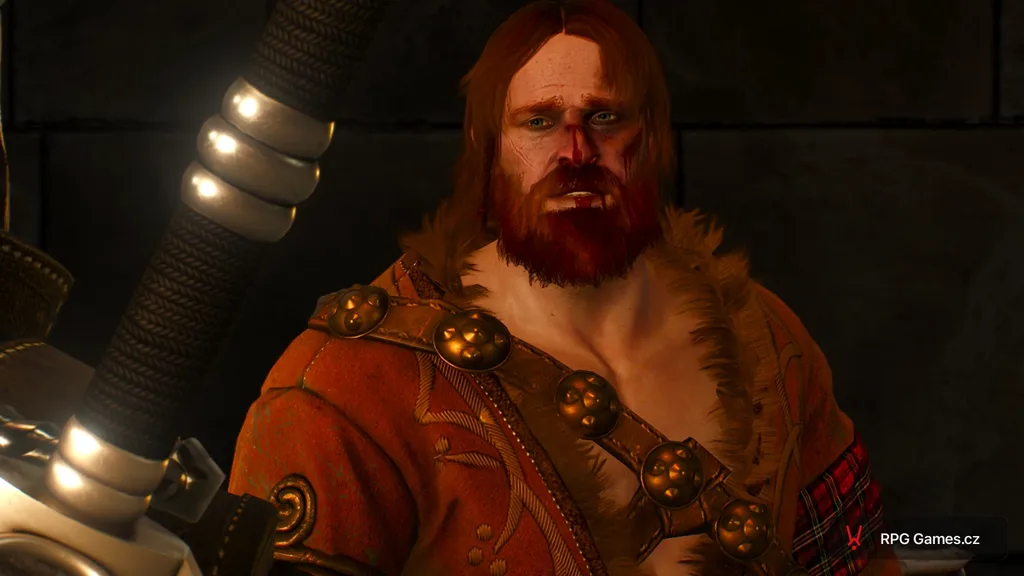
Combat runs in real time. You switch steel and silver swords, fast and strong attacks, dodges and parries. In a fight you mix signs, oils, decoctions, and bombs. You can lean on swords, signs, alchemy, or a combination. I cover combat styles in fighting styles.
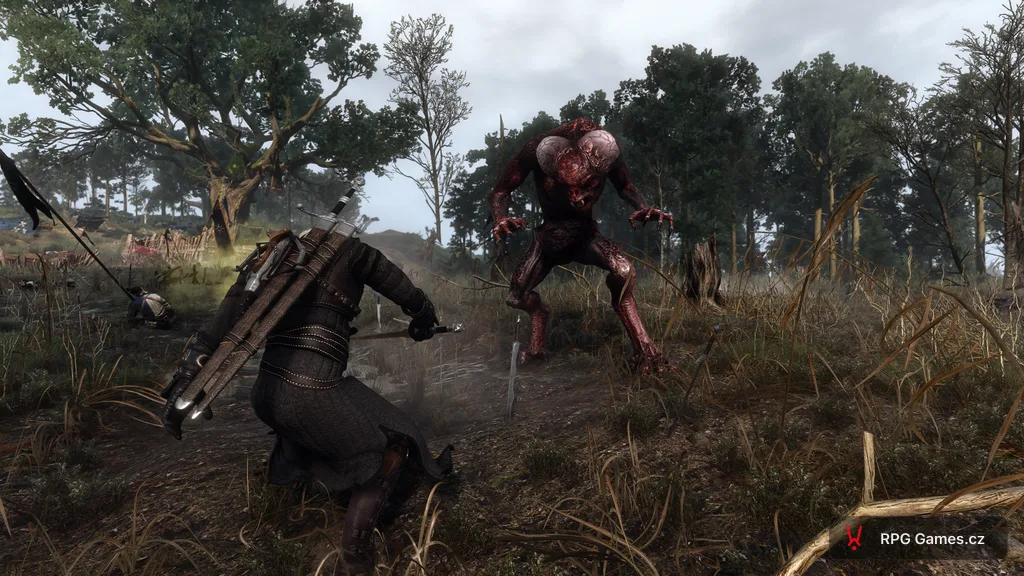
Difficulties range from a looser story mode to Death March. The higher you go, the more you must tune gear and prep before a fight. At blacksmiths you upgrade armor and weapons from diagrams. In alchemy you brew decoctions, oils, and bombs. After meditation with alcohol consumed doses refill. The Blood and Wine expansion adds mutations and more ability slots.
Progress comes from quests and from fights. You pour points into combat, signs, and alchemy branches. In active slots you place mutagens the same color as abilities. New Game+ keeps level, abilities, and most of the inventory and scales enemies up. Quests and the map start fresh.
The map is an open world. Velen, Novigrad, Skellige, and Toussaint from the expansion have a different tone and a different type of quests. Regions in detail are in the places overview. If you stick to the main arrow you miss most of the world. If you jump into an area with a level that is too high, monsters take you down fast.
Gwent is a card game with NPCs. You collect cards, build decks, and play in taverns and in quests. The rules take a while to learn. Then you have a separate loop beside the story.
How hard it plays
The gap between difficulties is mainly about how hard the game punishes mistakes and how much you must tune oils and signs. On Death March it is honestly tough but not broken, mainly in New Game+. Bosses often fall before a wolf pack does, and that is a shame.
It gets duller when you clean up Skellige underwater if you decide to finish everything the map offers. Combat controls feel older next to newer games, but after hundreds of hours you get used to them.
Graphics
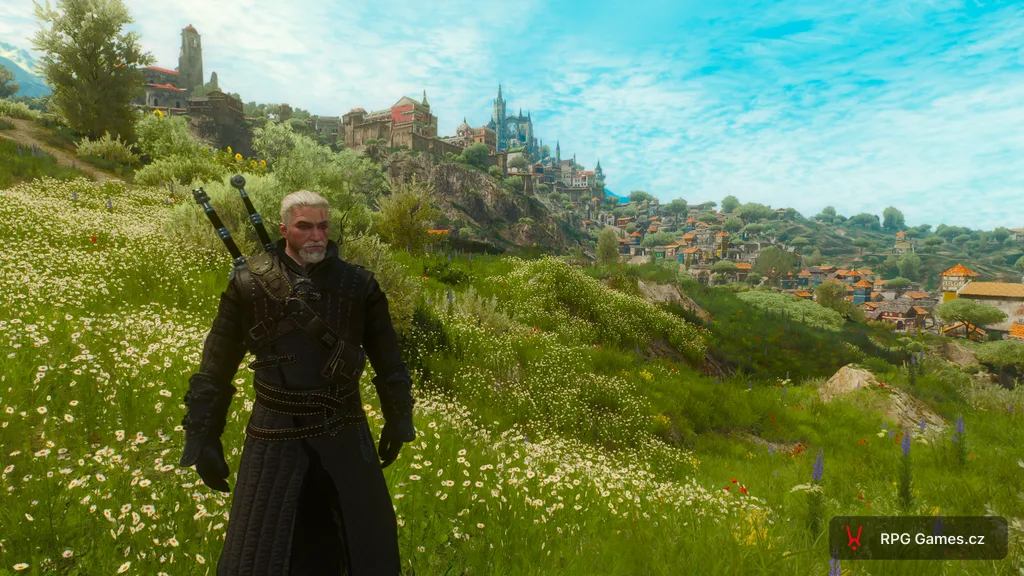
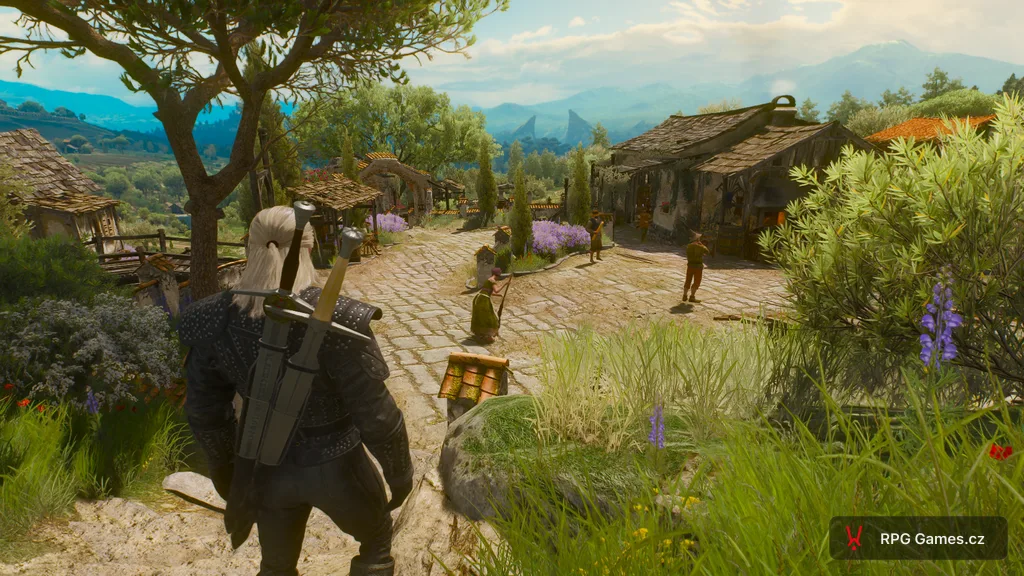
The game is over ten years old and still looks great. In December 2022 it got a free next-gen patch. It raised textures, draw distance, and on PC added ray tracing and higher detail. Owners of the original copy got the update for free.
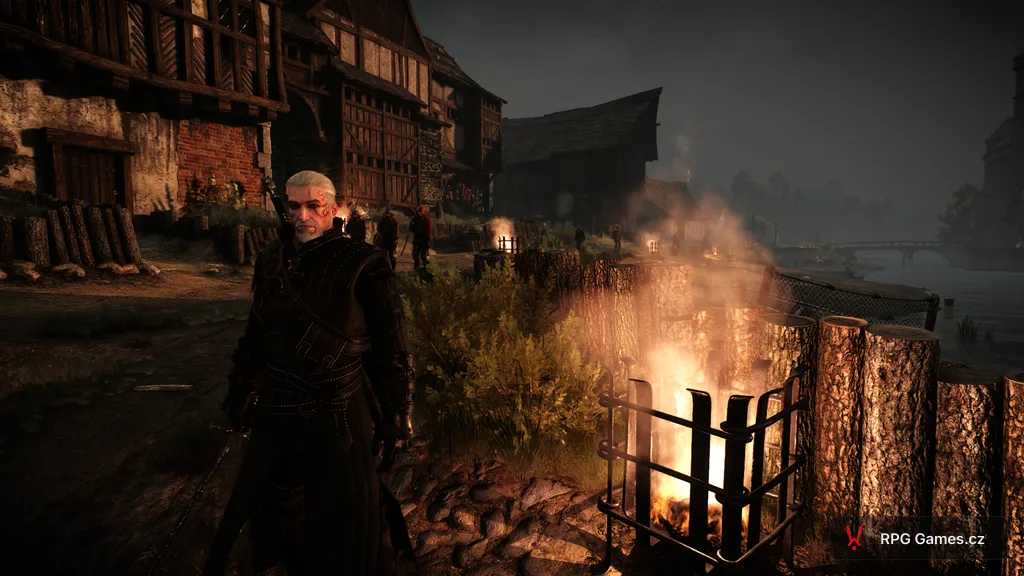
Velen in fog still lands. Toussaint in sunlight works just as well. Novigrad at night holds as a city. Characters in dialogue, sign effects, and the landscape still work. The world has atmosphere that keeps you looking at the map.
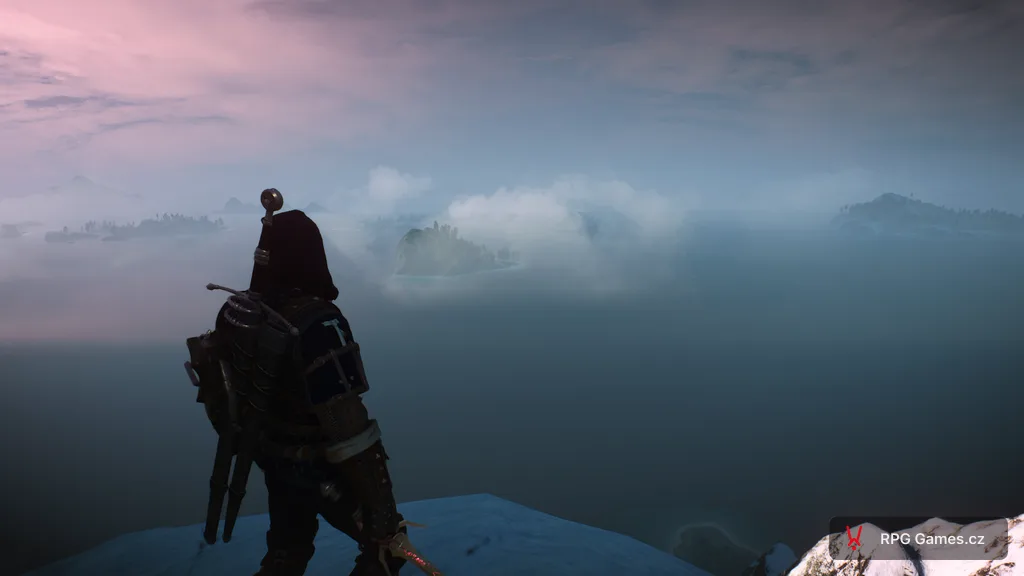
On a modern rig it looks better than you would expect from a 2015 game. Full detail and ray tracing still eat performance though. On an RTX 4070 I stick to a high preset rather than absolute maximum.
Music and sound
Marcin Przybyłowicz and Mikolai Stroinski composed the music. Folk group Percival also played on the score. Regions sound different. Velen keeps a darker Slavic tone. Skellige pulls the isles and the sea. Toussaint from the expansion is brighter. Battle tracks and quieter passages by fires fit the tone of the world.
English voice acting for known characters is strong. Combat effects and ambient audio fit monsters and cities.
Localization and language
Since launch you get full subtitles and a localized menu in many languages. Dialogue, journals, and books you read in English when you run the English text set. The writing fits the books and the game saga. Voice acting stays English or Polish in the audio options, and other dubs appeared on some console builds over the years.
I always play with subtitles on. You pick voice language and subtitle language separately in the options before you load a save, and that is worth setting once so combat barks and journal entries match what you expect.
Pros and cons
What works
- Story and quests — Ciri, the Bloody Baron, the Ladies of the Wood, romances. After a fifth playthrough I still know why this is one of the best RPGs
- Choices and endings — the game really reacts, Ciri and regions end differently
- Geralt — the same character across three games, builds invite another run
- Graphics — after the next-gen patch Velen and Toussaint are still beautiful
- Gwent — you learn the rules first, then it grabs you
- Expansions and New Game+ — Hearts of Stone, Blood and Wine, and New Game+ are worth it
What grates
- Shorter main story — I like Ciri, but the main plot could easily be longer
- Party after quests — the characters are top tier, after you finish their arcs you barely do anything with them
- Romance branches — I miss more time together with just Triss or just Yennefer
- Controls — combat feels older next to newer games
- Skellige underwater — when you want to finish everything, the water sections are pain
- Death March — unbalanced mainly in New Game+, a wolf pack sometimes hits harder than a boss
Expansions and DLC
Both expansions are worth buying. Hearts of Stone is shorter and darker. Blood and Wine is better in my view. Toussaint, vampires, and characters from the books too. It feels almost like a standalone game.
The game is sold mostly only in the Complete Edition now and it pays off. If you have the time, it will eat a lot of hours.
Hardware requirements
Minimum for next-gen High is GTX 970 / RX 480 and 8 GB RAM, recommended RTX 2070 SUPER / RX 5700 XT. Full tables, an FPS calculator, and requirement changes are in the system requirements and FPS article. The Steam listing is still older. The numbers below use High from CD Projekt.
| Minimum (High) | Recommended | |
|---|---|---|
| CPU | Intel i5-6600 / AMD Ryzen 5 1600 | Intel i7-8700 / AMD Ryzen 5 3600 |
| GPU | GTX 970 / RX 480 | RTX 2070 SUPER / RX 5700 XT |
| Memory | 8 GB | 16 GB |
| Storage | 50 GB SSD | 50 GB SSD |
On an RTX 4070 and ultrawide 5120×1440 I hold around 50 FPS, not on the highest details. On a 144 Hz laptop panel it runs smoothly. The next-gen patch is heavier than the 2015 version. On an older PC turn off ray tracing and a few effects. When something crashes, the steps are in known issues.
Who I recommend it to
You can often get The Witcher 3 on sale for a few dollars or euros. The Complete Edition pays off when you want both expansions and the next-gen patch in one package.
I recommend
- Fans of story RPGs with dialogue, choices, and decisions without one right answer
- Players who know the books or the first two games
- Anyone who wants a polished classic in 2026 with expansions in one package
- Players who like trying different builds and endings in one game
I do not recommend
- Players who cannot sit through long dialogue and slower pacing
- Seekers of the most modern controls
- Anyone who expects a party system where companions follow you across the map all the time
Verdict
The Witcher 3 is still one of the best RPGs that exist, ten years on. Not because it beats every new game at everything today, but because story, choices, Geralt, gwent, and the expansions hold together a whole I keep returning to.
If you want Ciri, a world with soul, and endings that mean something, go for the Complete Edition. If you cannot sit through dialogue, save disk space. Where it sits in my ranking is on the game ranking. Everything on the title is on The Witcher 3 hub.
Časté dotazy
Do I have to play The Witcher 1 and 2 before the third game?
No. The third game has its own story and at the start you can set key decisions from the second game. Knowing the books or the first two games still adds emotion — characters like Triss, Yennefer, or Ciri land harder when you already know them.
How long is The Witcher 3?
The main story takes around 50 hours. With side quests, gwent, and exploring the map you commonly hit 100 to 150 hours. With both expansions and clearing everything on the map you can go past 200 hours — my stats show over 500 hours on PC.
Are Hearts of Stone and Blood and Wine worth it?
Yes, both. Hearts of Stone is shorter and darker in the same world. Blood and Wine adds Toussaint and for me the best content in the whole game — almost like a standalone title. The Complete Edition is the cheapest way to get both.
Which edition should I buy in 2026?
The Complete Edition — both expansions and the next-gen patch in one package. On PC an RTX 3060 or better is enough. On ultrawide 5120×1440 with an RTX 4070 I hold around 50 FPS on a high preset, not on the highest details.
Is The Witcher 3 worth it in 2026?
Yes. After more than 500 hours on PC it still delivers a great story, quests, gwent, and expansions. If you cannot sit through long dialogue or older controls, it probably will not click. The Complete Edition is the best start.
How is the English localization?
The game ships with full English voice acting that most players use as the default, plus subtitles and UI text in many languages. Polish voice acting is also available and highly regarded. Dialogue, journals, and in-game books are fully localized in English and read well next to the books and the game series.