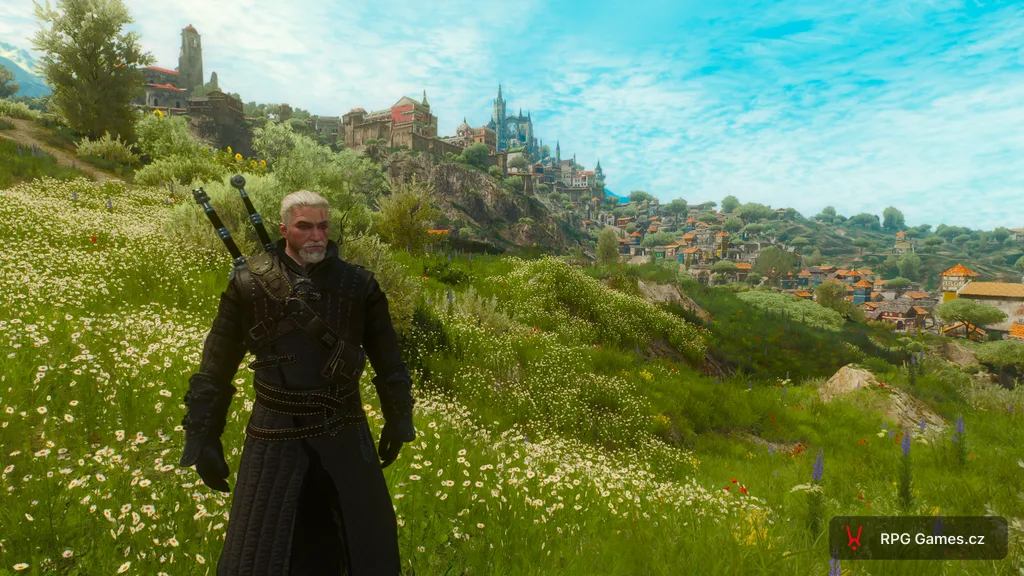
DLC in RPGs (downloadable content) is paid extra content for the base game that adds new stuff after release. In RPGs that most often means more story lines, new locations, characters, and gear.
What you actually get in DLC
Not every DLC looks the same. Sometimes you buy a smaller pack with one quest or a set of items. Other times you get a big expansion that adds a new map, several hours of story, and another chunk of game on top.
In RPGs the most valuable kind is usually that bigger expansion pack, because it grows the world you already sank into. When you like the story, you get another line. When you like the build and gear, you get new weapons, armor, and abilities. When you like exploring, a new area opens.
Most RPG expansions add a mix of these things:
- New story quests and side missions that expand the main plot or open a completely new line
- New areas and locations, sometimes whole regions with their own map
- New characters, dialogue, and relationships that were not in the base game
- New weapons, armor, and abilities that push the build into higher levels
- An extension or an alternate ending of the main story
In The Witcher 3 the expansions Hearts of Stone and Blood and Wine show how DLC can be almost as big as a standalone game. Blood and Wine added the new region Toussaint and dozens more hours of content.
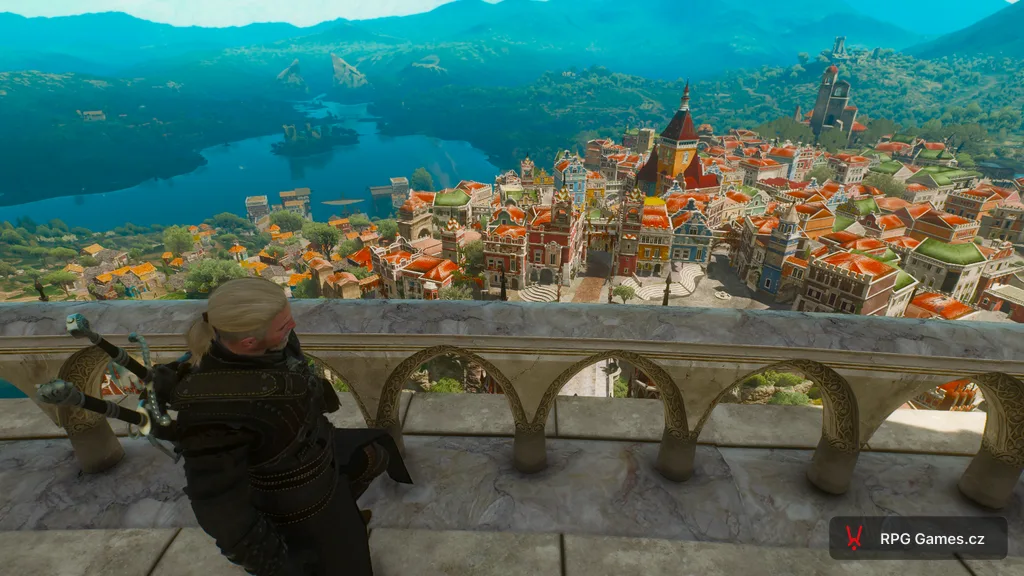
How DLC works in practice
You do not buy DLC as a new standalone game. You buy content that hooks into the base game and usually will not launch at all without it. That is why on Steam or on a console you always see a warning that you need to own the base version of the game to use the DLC.
In the store you then typically run into a few variants. The base game is just the original release with no add-ons. Next to it there is often a season pass, which groups several DLC packs into one bundle. And finally a Complete Edition, Gold Edition, or Game of the Year edition, which usually combine the base game and the big expansions into one purchase.
The important part is simple. You are not buying a sticker on the box, you are buying specific content. For one game Complete Edition really means everything that matters. For another it can also include cosmetic packs, a soundtrack, or bonuses you barely notice in the game. That is why it always makes sense to open the list of what is actually in the bundle.
Not every DLC has the same value
The word DLC sounds the same every time, but the content can differ a lot. Sometimes it is a small add-on that throws in one armor set, a few items, or a bonus quest of about an hour. Other times you get a big expansion that expands the map, adds new characters, and offers another strong story branch.
That is exactly why it is not worth buying DLC blind just from the name. In a story RPG a big expansion pack is worth more than tiny cosmetic packs. When you care mainly about the world, quests, and choices, go for expansions rather than small bonuses around them.
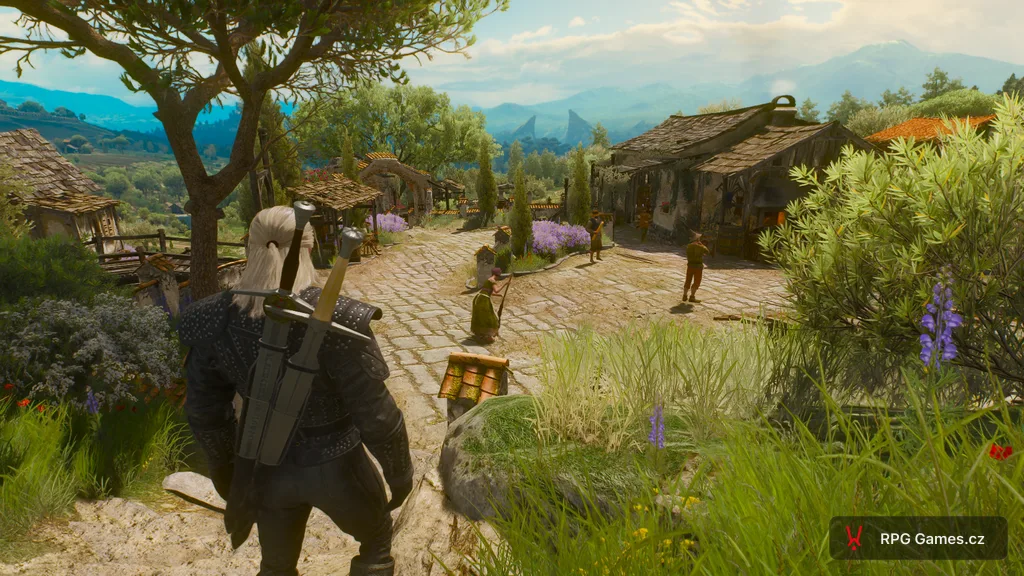
Buy it now when you know you want the whole game
This option makes sense when you are sure you want to play the game all the way through from start to finish and then some. You take the base game and all expansions at once, usually as a Complete Edition or Game of the Year edition.
The plus is you have everything from the first launch and you do not have to wonder whether the DLC is worth it. On older games these complete editions also often drop so far on sale that they come out cheaper than the base game plus two expansions bought separately.
The downside is you pay more at the start. When you later find the game did not grab you that much, you overpaid for content you never played.
Wait until after you finish when you are not sure
The second approach is smarter when you do not know whether the game will keep you playing enough that you want to keep going. First you finish the main story and only then, based on the impression, you decide whether you want to spend money on more content.
This way you do not waste money on something you would not have played anyway. When the game does not grab you that much after you finish, you save and move on to the next title. When it does hook you and you want more, you buy the DLC later, often at a better price, because expansion packs get cheaper over time.
This approach is mainly reasonable on new full-price games. You play the base game, you find out whether combat, pace, and the world fit you, and only then you deal with expansions. You save money and skip the feeling that you stocked up on content and never came back to it.
A simple rule
If you already know you want to get the most out of a given RPG, take the complete edition right away. If you are on the fence, finish the main story first and buy expansions only when you are sure you want to keep going.
On big story games also watch whether you are buying a real expansion or just small bonuses around it. The first adds another chunk of game. The second only tops up what you already have. When you want to see how that kind of content works in a specific game, check the Witcher 3 review or go straight to the New Game Plus guide in The Witcher 3.